Worried that attic heat is wrecking your roof in Gladewater and causing leaks or shingle damage? We see it all the time. Intake vents at the eaves and exhaust vents near the ridge keep the air in your attic moving and cut down on trapped heat. Adding proper vents and following a few simple roof inspection steps can stop shingle blistering, reduce the need for roof repairs, and prevent heat damage across your home. Read on for easy, practical steps you can take to protect your property.
Gladewater summers can turn an attic into a furnace faster than a jackrabbit on hot sand. Good airflow up there helps your whole roofing system face the Texas heat head-on without breaking a sweat. Prolonged heat and high humidity hit East Texas hard, which is why we properly size your attic vents to move hot air out quickly.
We always inspect attics for moisture and hot spots before recommending any solutions. As your trusted residential roofing contractor in Gladewater, we tie proper attic ventilation directly to effective shingle repairs and full roof replacements. We can add intake vents to ensure airflow prevents condensation from forming. We also handle roof flashing repairs and metal roof repairs to ensure your home can weather heavy rain, wind, and temperature swings.
Heat can cause significant damage to roofs, especially in Gladewater. We often see shingle blistering and degradation when temperatures rise. Damaged shingles lose their protective granules and eventually form cracks that allow moisture to seep into your home.
Another clear sign of trouble is the warping of roofing materials. Extreme heat causes them to bend, meaning you will need repairs much sooner than expected. The structural components of your roof also face increased wear from intense heat exposure, and sagging areas may appear due to this prolonged stress. Regular complimentary inspections from our team at Langford Roofing can catch these issues before they escalate into major storm damage or emergency roof repairs.
Heat can seriously harm your roof by causing material degradation under extreme temperatures. When roofs warp or crack, they lose strength, and this wear affects the entire structure of your home. Don’t let heat damage sneak up on you.
Shingle blistering occurs when heat and moisture get trapped beneath the surface, creating visible bubbles on the shingles. We frequently see this issue on roofs with inadequate attic ventilation. Over time, these worn shingles lose their protective granules, leaving the underlying materials exposed and highly susceptible to wind and rain damage. When we notice these signs early during a routine inspection, we can help save you from extensive structural repairs in the future.
Warped roofing materials lead to uneven surfaces. Prolonged heat in the attic causes wood decking and underlayment to lose their shape, and once warped, these materials struggle to shed water effectively. They can even allow leaks into your home, creating serious problems down the line.
Cracking results from constant temperature swings. As the materials expand and contract, they weaken over time. We notice this damage when we see visible sagging or bending on your roof. Cracked components provide an open door for weather intrusion and pests, making proper attic ventilation absolutely essential. Regular inspections of your attic framing help us spot hidden warping or cracking before it becomes a bigger issue.
High temperatures in your attic lead to serious structural problems by quickening the deterioration of rafters, trusses, and support beams. We often overlook these structural components, but they support the weight of your roof. As heat and moisture build up, wood can rot and develop fungal growth, creating an inviting environment for issues you want to avoid.
Metal fasteners have their own set of challenges too. Trapped heat and humidity speed up corrosion. If left unchecked, these compromised structures can put your home at risk during strong storms or high winds. Increased wear on these parts can cause sagging or leaks over time. No homeowner wants a roof that fails unexpectedly, so prevention is essential.
Attic ventilation keeps your living spaces cooler in hot weather. It helps regulate temperatures and reduces moisture buildup, which can otherwise become a big problem for roofs.
Proper attic ventilation helps maintain attic temperatures closer to outdoor levels, which is crucial during a Gladewater summer. You want a cool attic that does not heat up like an oven, helping you reduce the strain on your home cooling systems. By using a balanced system of ridge vents and soffit vents, hot air escapes while cooler air enters. This balance prevents your roofing materials from expanding and contracting too aggressively while protecting your insulation from excessive heat.
Moisture control plays a key role in maintaining a healthy roof. Ventilation systems facilitate the exit of humid air, reducing condensation and preventing mold or mildew growth. Keeping moisture in check protects your home from rot as well.
We can trust that balanced ventilation works wonders for roofing materials too. It stops trapped moisture from damaging your shingles and structural components. Regular inspections ensure vents remain clear of insulation or debris so they operate effectively. By managing humidity, you also safeguard any belongings stored in the attic from potential moisture damage.
Attic ventilation plays a crucial role in extending the lifespan of your roof. Effective ventilation helps regulate temperature, keeping attics cooler during hot Texas summers. This control reduces the heat buildup that can lead to shingle blistering and material degradation. With proper airflow, roofs are far more likely to reach their maximum potential lifespan.
Longer-lasting roofing systems enhance your home’s value and curb appeal. Moreover, avoiding frequent repairs and replacements due to heat damage minimizes environmental waste, making it a great benefit for your home. Your roof deserves the best care, and proper attic ventilation provides just that.
Attic ventilation systems come in several forms, and each plays a vital role. Curious about which option fits best for your home? Keep reading to discover more options.
Ridge vents sit along the peak of your roof and let hot air escape continuously. They work best when paired with soffit or eave intake vents, helping maintain even temperatures across the entire rooftop. Because they blend well with most roof designs, they do not stand out visually but significantly lessen the risk of heat building up at the highest point of your home.
To ensure ridge vents do their job right, we must install them properly and keep them clean. Regular inspections help us catch any issues early on. By using effective ventilation systems like ridge vents, we can protect your residential roofing from heat damage in Gladewater.
Soffit vents help cool air enter the attic. We place them under the eaves, making them essential for a balanced ventilation system. They work best alongside continuous ridge or gable vents, allowing warm air to escape while fresh air flows in. Proper sizing and placement are crucial for optimal airflow.
Keeping soffit vents clear of insulation and debris ensures they function correctly and prevents ice damming and moisture buildup. Regular inspections help us check for blockages or damage so we can extend the life of your roof and keep heat damage at bay.
Gable vents sit in the end walls of your attic. They help with cross-ventilation and improve airflow by either taking in air or letting it out, depending on the wind direction. We often pair gable vents with ridge or soffit vents for better ventilation coverage.
Adding gable vents is simple during a roof replacement or upgrade, and we can match their look to fit your home’s style perfectly. Regular upkeep keeps screens and louvers clear from debris, ensuring they function well year after year and protect your roof from the Texas sun.
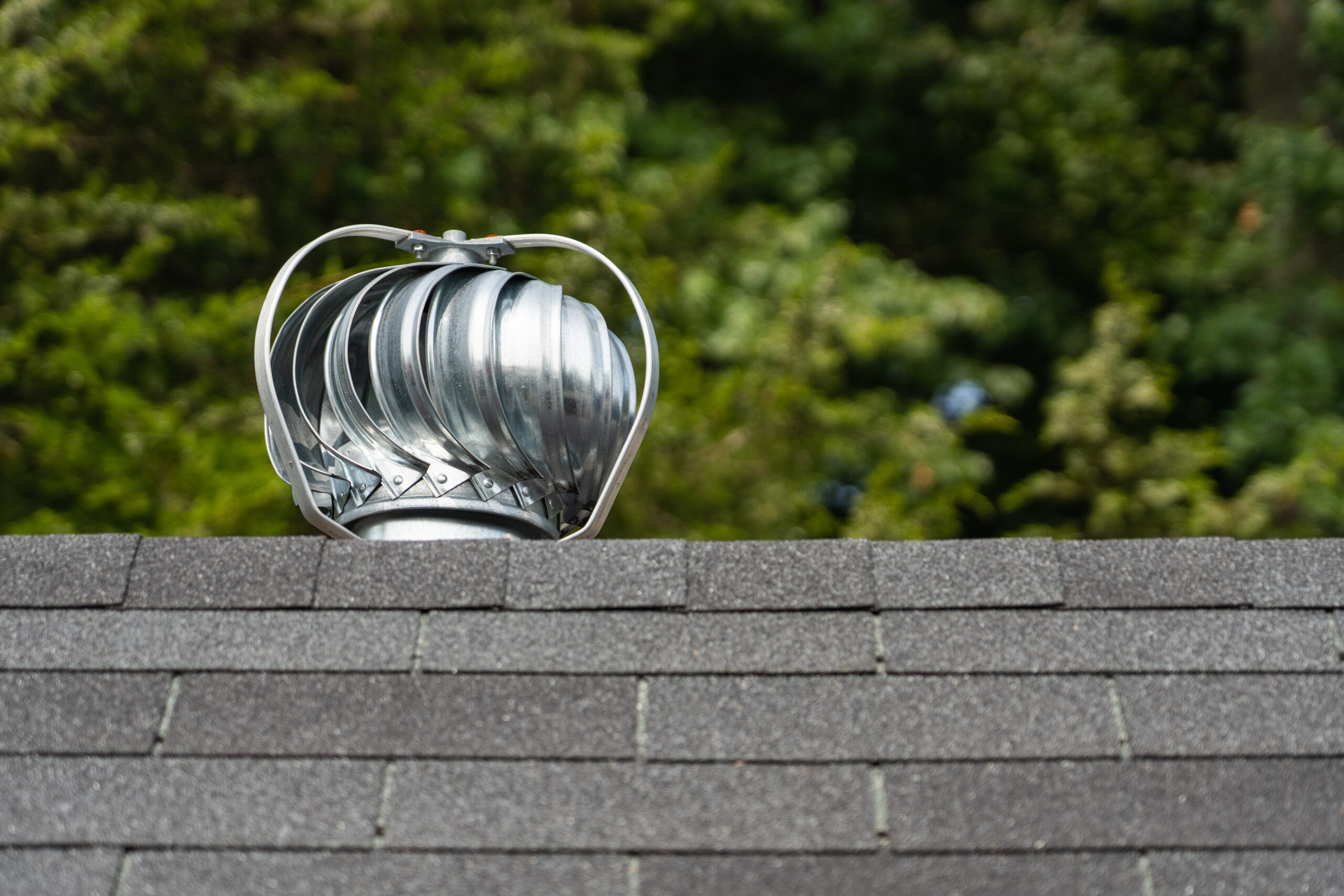
Powered attic fans actively remove hot air from large or intricate attic spaces, boosting passive ventilation systems. We can control them with a thermostat so they operate only when needed, improving airflow efficiently.
Energy-efficient models reduce electricity use, which is great for the environment. If we choose solar-powered options, we gain sustainable ventilation too. To prevent pressure issues, it’s crucial to size and install these fans correctly. Regular maintenance keeps them running smoothly over time alongside your complete roofing system.
Proper attic ventilation is vital for homes in Gladewater, TX. By maintaining healthy airflow in your attic, you can prevent severe heat damage, keep your shingles intact, and avoid unwanted mold growth. Checking your ventilation regularly helps us spot potential problems early on. Let’s prioritize a healthy roof so you can enjoy total peace of mind during those hot Texas summers.
1727 Clearwood Dr, Longview, TX 75604
Mon - Sat: 7am - 8pm
Sun Closed
Call us for a free estimate
903-790-1964