A roof problem usually starts small. Maybe you notice a water stain near the ceiling after a storm, or a few shingles suddenly show up in the yard after a windy night in Longview, TX. Most homeowners aren’t thinking about roof inspections until something feels off, and honestly, that’s pretty normal.
Around East Texas, our roofs take on a little bit of everything: blazing summer heat, heavy rain, humidity, hail, and strong winds. Over time, all that weather wears down roofing materials. A good inspection helps catch early warning signs before they lead to expensive repairs or interior damage.
When a roofing contractor on our team inspects a roof, they look at much more than shingles. A roofing system has many moving parts, and even one weak spot can cause problems later.
Our inspections typically include the roof surface, flashing, vents, gutters, attic spaces, and areas around chimneys or roof penetrations. We look for signs of wear, storm damage, moisture intrusion, and anything else that could shorten the roof’s lifespan.
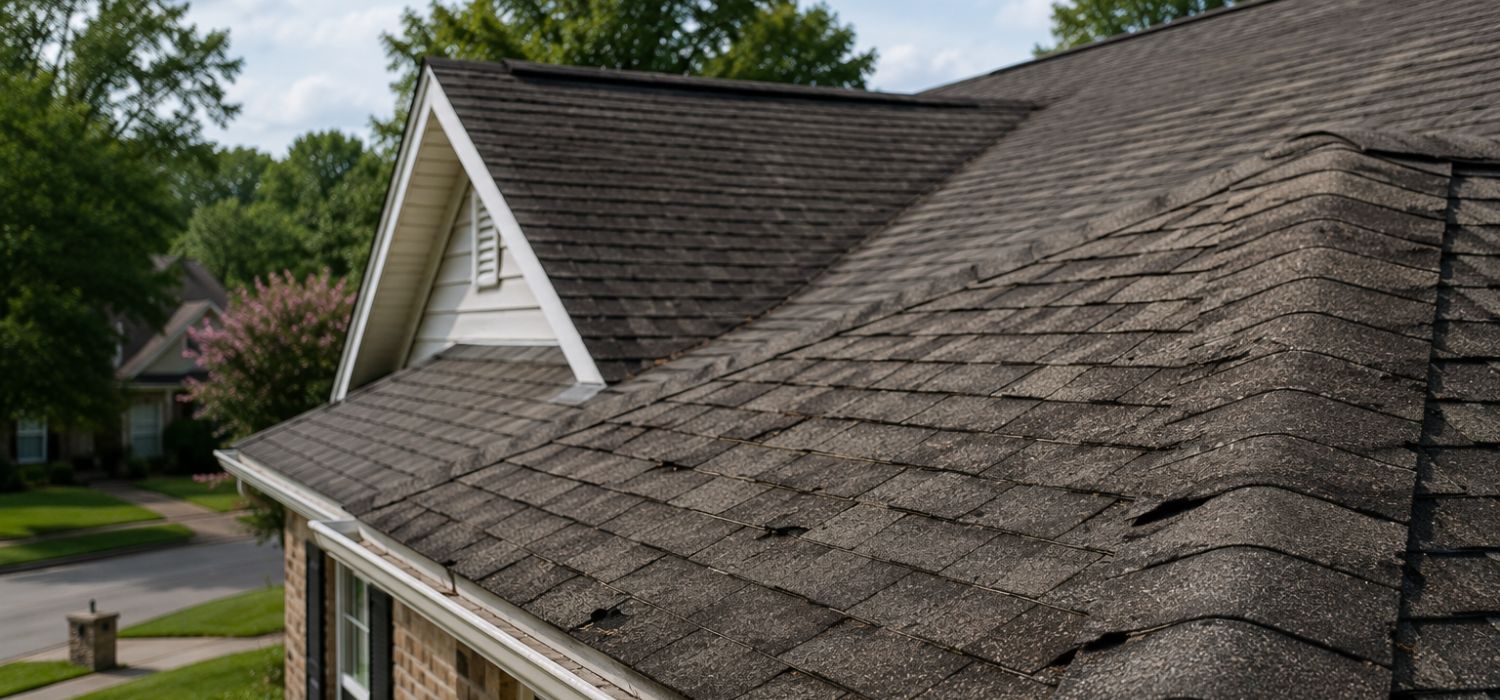
Sometimes the issues are obvious, like missing shingles or sagging gutters. Other times, the clues are subtle. Granules collecting in gutters, cracked vent boots, or a small stain in the attic can point to a problem that has been developing for months.
We also document our findings with photos and notes so you can clearly see the roof’s condition rather than having to guess from the ground.
For most homes in Longview, we recommend inspections twice a year, usually in the spring and fall. That schedule gives us a chance to spot weather-related wear before seasonal changes make things worse.
Storms are another reason to schedule an inspection, especially after hail or strong winds. Damage isn’t always visible from the driveway. A roof can look mostly fine while hidden problems develop underneath lifted shingles or around flashing.
The National Roofing Contractors Association also recommends regular inspections to help extend the lifespan of a roofing system. Catching small issues early usually means simpler repairs and fewer surprises later.
We honestly like to think of inspections the same way people think about routine vehicle maintenance. You may not notice a problem today, but regular checkups help prevent bigger breakdowns down the road.
Every inspection is a little different because all roofs age differently. Still, there are a few areas that almost always deserve close attention in East Texas.
Shingles take the brunt of the weather here, so we look for cracking, curling, granule loss, and loose sections that may have lifted during storms.
Metal roofing systems get checked for loose fasteners, flashing separation, and signs of movement around seams or penetrations. On older roofs, sealants may dry out from years of UV exposure.
We also pay attention to algae streaks or moss growth. In humid climates like ours, moisture can linger longer than homeowners realize, especially in shaded areas.
Some of the most common leaks start around vents, chimneys, skylights, and wall intersections. These areas rely on flashing and sealants to remain watertight, and once those materials begin to fail, water can enter surprisingly quickly.
Even a tiny crack around a vent pipe can become a leak path during heavy rain. That’s why we spend extra time carefully checking transitions and penetrations.
Gutters may not seem exciting, but they play a huge role in protecting a roof. When gutters clog or pull away from the home, water can back up under shingles and damage fascia boards or soffits.
During inspections, we look for standing water, overflow marks, loose fasteners, and areas where drainage is not working correctly.
Sometimes, the first signs of roof damage appear inside the home rather than outside. Water stains, damp insulation, musty smells, or rusty nail heads in the attic can all point to hidden moisture issues.
Longview storms can move through quickly, but the damage they leave behind can stick around for years if it goes unnoticed. Wind can loosen shingles at the edges of the roof, while hail may bruise roofing materials in ways that are difficult to spot without a closer look.
We often see homeowners wait until a leak appears before calling for an inspection. By then, moisture may already be affecting decking, insulation, or interior drywall.
After severe weather, we recommend documenting anything unusual around the property. Photos of missing shingles, dented gutters, fallen branches, or interior stains can help track damage and support insurance conversations if needed.
A quick inspection after a storm provides peace of mind, even if everything turns out fine. Most homeowners would rather hear “your roof looks good” than discover hidden damage months later during another heavy rain.
Buying or selling a home in Longview? A roof inspection can clear up a lot of uncertainty during the process.
Buyers want to know whether the roof has years of life left or if repairs may be coming soon. Sellers benefit too because identifying issues early can prevent surprises during negotiations.
A professional inspection gives both sides a clearer picture of the roof’s condition and helps everyone make informed decisions.
Most major roofing repairs start as smaller issues that were left alone for too long. A lifted shingle may not seem urgent at first, but once water reaches the decking underneath, repair costs can climb quickly.
Routine inspections help us catch those smaller problems while they are still manageable. Replacing a few damaged shingles or resealing flashing is far less expensive than dealing with structural repairs or interior water damage later.
Regular maintenance also helps extend the lifespan of the roof itself. A well-maintained roof simply performs better over time because small weaknesses are addressed before they spread.
You don’t need to climb onto the roof to stay proactive. A few simple habits can make a big difference between inspections:
Even small observations can help identify issues early.
Roof inspections are one of the easiest ways to protect your home from bigger problems later. Around Longview and East Texas, the weather puts roofing systems through a lot every year, and damage isn’t always obvious until it becomes serious.
Regular inspections help catch small issues early, extend the life of your roof, and give you a clearer understanding of how your home is holding up over time. If you ever have questions about your roof or want a professional opinion after a storm, we’re always happy to take a look and walk you through what we find.
You can safely check for visible signs from the ground or inside the attic, but a professional is best suited to handle steep roofs and storm damage.
Yes. Photos, documentation, and professional assessments can help support insurance claims after storm damage.
We usually recommend inspections twice a year, along with additional checks after major storms or hail events.
Missing shingles, ceiling stains, sagging gutters, granules in gutters, and musty attic smells are all common warning signs.
1727 Clearwood Dr, Longview, TX 75604
Mon - Sat: 7am - 8pm
Sun Closed
Call us for a free estimate
903-790-1964