Is your attic frying in July and your air conditioning working overtime because your roof traps heat? Summers here in East Texas get brutal, and that extra attic heat can make the whole house feel tired.
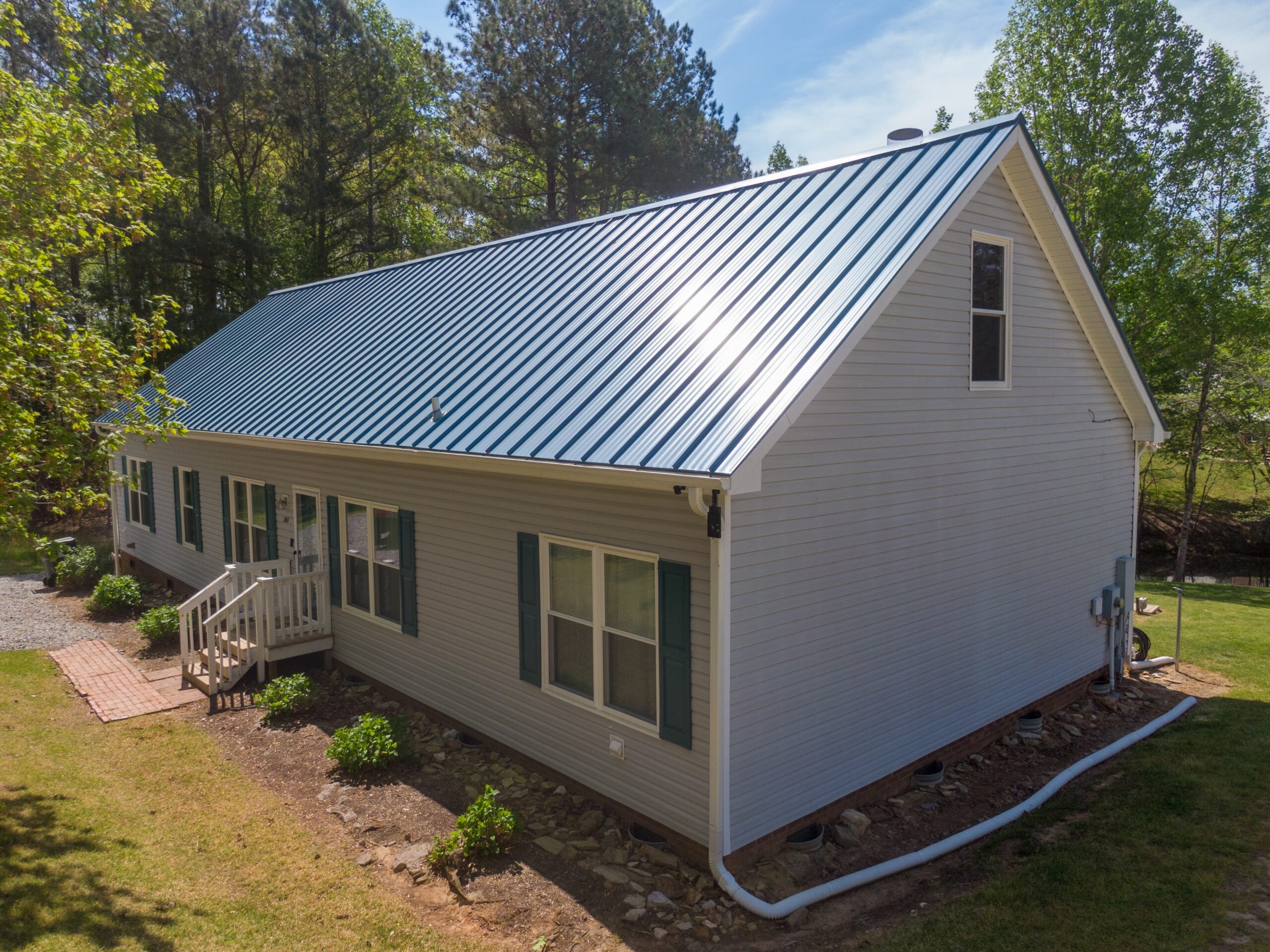
We provide metal roofing services in Longview, TX, and we found that a reflective metal roof can cut solar heat gain by up to 70 percent. We will compare asphalt shingle and metal roofs so you can see the trade-offs. We will also cover roof repair and roof replacement, plus roof inspections and handling insurance claims. Whether you need residential roofing for a new build or an older home, we can help you weigh heat-resistant options across East Texas. Keep reading.
Each roof type brings its own strengths and challenges. Choosing between steel panels or asphalt shingles can change how your house fights the brutal East Texas heat. We break down the materials, durability, and features for both metal and shingle roofs.
Aluminum, galvanized steel, and copper are common core materials for metal roofs, often using galvalume coatings to resist rust. These panels typically come in standing seam or corrugated designs. Asphalt shingles use a fiberglass or organic mat with mineral granules that add a shield against ultraviolet rays. Common shingle variants include three-tab and architectural styles.
Lightweight metal panels reduce the structural load, making installation faster on many properties. Heavier shingle bundles rest on your rafters, meaning the roof framing may need reinforcement on older homes. With proper coatings, a metal roof lasts 40 to 70 years while resisting wind, fire, and rot. Shingles generally last 15 to 30 years, as granule loss and algae can shorten their lifespan.
Zinc and aluminum alloys fight corrosion very well in metal roofs, and specialized paint systems add an extra barrier. Asphalt has no metal corrosion issues, but the flashing and nails remain vulnerable to the elements. Metal panels expand and contract with heat, so the fastening systems and concealed clips allow for thermal movement. Shingles stay stable under normal thermal cycles, although extreme heat can cause them to curl.
Metal tolerates hail better than standard shingles, with thicker gauges resisting dents. Shingles can crack from hail or falling limbs, though impact-rated options are available. For metal roofs, we recommend periodic fastener checks and resealing seams, and coatings may eventually need touch-ups. For shingles, we advise cleaning gutters and replacing damaged tabs. Removing moss and algae also helps improve a shingle roof’s longevity.
Metal roofs offer high solar reflectance, reaching up to 70 percent. Painted panels use reflective coatings, and light tones naturally boost daytime reflectivity. Shingles have low reflectance, commonly sitting at 20 to 25 percent. The granules absorb more sunlight, and dark colors trap heat even faster.
Upgrading to a metal roof can cut cooling use by 10 to 25 percent, which reduces energy usage in hot months and pairs perfectly with attic insulation upgrades. Shingles have a minimal impact on cooling loads, and achieving better temperature control usually requires attic ventilation fixes. Metal often scores higher on the Solar Reflectance Index, and reflective paint can raise that score by 20 points or more. Lower index values are common for shingles, although specific reflective options exist for modest gains.
Cool roof coatings boost metal reflectivity quickly and extend its service life in the sunlight. We regularly test these coatings with thermal cameras. Reflective shingle granules help slightly, but coating asphalt often wears faster, leading to quicker replacement under a high sun load.
Homes in Longview, TX, see cooler attics with metal roofs. We note lower peak air conditioning draws on test homes, proving that metal shines during long, hot summers. Attics run significantly hotter under shingles, causing cooling units to cycle more in the afternoon heat. Shingles also wear faster under high ultraviolet levels.
We use advanced thermal cameras for temperature scans, measure solar reflectance, and check attic temperature drops after our installs. We also log attic temperatures with data loggers and track cooling efficiency month to month. To check shingle performance, we test reflectivity with gloss meters. Ultimately, metal is a great fit for hot climates like Longview and works wonderfully on simple roof shapes. We highly recommend metal for long-term efficiency. Shingles fit projects focused on a quicker, simpler installation and suit complex roof profiles better. We always suggest upgrades if cooling is a primary concern.
Metal roofs shine in summer heat. They reflect sunlight, keeping homes cooler. In contrast, shingle roofs absorb heat and can raise indoor temperatures. Many homeowners appreciate how metal roofing lasts longer with less upkeep. Shingle roofs may require regular repairs as they age under the relentless Texas sun.
Metal roofs consistently reflect heat better than shingle roofs. This reflection keeps homes cooler, which makes a massive difference in Longview, Texas. On hot days, metal roofing can lower a home’s temperature by 10 to 20 degrees compared to traditional shingles.
Shingles absorb heat and can trap it inside your house. That often leads to higher energy usage since you have to crank up the air conditioning to stay comfortable. In East Texas, where summers are intense, choosing a cool roof matters a lot for comfort and efficiency. We know you want what is best for your home, which is why considering heat-resistant options is essential when planning any roof installation or replacement project.
For routine maintenance, you should inspect metal roof seams and fasteners yearly, clear debris from panels and gutters, and recoat with reflective paint every 10 to 15 years if needed. For shingles, check for curled or cracked tabs twice a year, replace missing shingles after storms, clean gutters, and remove roof algae as needed.
Metal roofs need fewer repairs over the decades, generally requiring minor sealant fixes every 8 to 12 years. Fasteners may need replacing sooner in heavy moisture areas. Shingles require more frequent patching after hail or wind, flashing often needs attention in 10 to 15 years, and spot replacement is common after severe heat waves.
Reflective coatings on metal roofs cut attic heat, and energy-efficient options reduce the overall cooling load, resulting in less thermal cycling damage than shingles. Dark granules on shingles store heat, meaning attic ventilation matters significantly more. Excessive heat also speeds up adhesive and asphalt breakdown.
Common failure modes for metal include panel oil canning, which is rare with our proper installs, corrosion where the finish is breached, and fastener pull-through on older systems. Shingles may experience granule loss from sun and hail, edge blow-off in high winds, and underlayment breakdown after years of heat exposure.
Standing seam installations require skilled crews using manufacturer-approved sealants and screws. Proper flashing prevents leak paths, and we inspect attic ventilation during all services. Roofers can replace shingle rows quickly on steep slopes, and nail patterns matter immensely for wind ratings.
For best practices in Longview, pair a reflective metal finish with excellent attic ventilation, schedule inspections before summer, and trim overhanging limbs to cut debris. If choosing shingles, opt for high-temperature rated asphalt blends, add ridge and soffit vents to lower attic heat, and rinse away algae and dirt after pollen season.
Choosing a roofing option for homes in Longview, TX, involves careful consideration. Metal roofs shine for heat resistance. They reflect sunlight well and keep homes cooler, leading to better energy efficiency during the hot summer months.
On the other hand, shingle roofs offer a classic look and are often easier to install. Both options have their benefits. Shingle roof installation in East Texas is quite popular among homeowners who prefer traditional aesthetics. In contrast, metal roofing provides longevity with minimal maintenance. Fewer repairs mean more peace of mind for you as a homeowner.
We can help you weigh factors like style preference and energy efficiency while selecting the right fit for your residence in places like Longview or Kilgore.
Metal roofs shine bright in the summer sun, while shingles offer charm and versatility. Each option has its strengths. Metal reflects heat, keeping homes cooler. Shingles are durable and come with lower upfront installation times.
When deciding on a roof for your Longview home, consider what matters most to you. We can help you tackle the summer heat effectively with either choice. Whichever material you pick, we will make sure your roof stands strong against those Texas rays!
1727 Clearwood Dr, Longview, TX 75604
Mon - Sat: 7am - 8pm
Sun Closed
Call us for a free estimate
903-790-1964