Are you worried about leaks or loose shingles as fall settles in at your Holly Lake Ranch, TX home? We see this issue often, and East Texas fall storms can damage roofs. That is why we provide local solutions like comprehensive roofing inspections and expert repair services. At Langford Roofing, we put together this checklist to guide your roof maintenance in Holly Lake Ranch—from clearing debris to checking flashing and vents. Read on to protect your roof.
When you schedule a professional roof inspection, we act fast to find hidden damage before storms hit. It is crucial to pick a local specialist who knows East Texas weather and standards. Our experienced team can provide solid advice on residential roofing and roof replacements. During our visit, we climb up to check your shingles, flashing, vents, chimneys, gutters, and attic ventilation, and we look closely for any signs of hail damage. We thoroughly document the condition of your roof with photos, which is incredibly helpful for navigating insurance claims.
After the inspection, we provide a complimentary estimate and written findings that list recommended repair steps, timelines, and whether a repair or full replacement fits your home best. If severe weather strikes, you can count on our emergency roofing services and storm damage repair expertise. We are a family-owned, local business dedicated to providing quality work that adheres to your HOA rules, and we pride ourselves on protecting your home for years to come.
Keeping your roof and gutters clear of leaves and sticks is an important step in protecting your home. Wet leaves and pine needles should be removed after storms so that shingles and metal roofing can drain correctly. It is also important to inspect valleys and eaves for clogged spots that can cause backups, as seasonal care prevents water from pooling. Pay special attention to the seals near your flashing and the shingles around vents to catch early signs of rot or lift.
Gutters and downspouts can be cleaned by hand or with a pressure nozzle. Doing this helps stop water from backing up and damaging your eaves. Watch for bird nests and heavy debris that can hide mold or water stains, as these blockages raise your risk of leaks. You should also trim any branches that hang over the roof to stop repeat clogs and prevent loose limbs from posing a hazard. For routine maintenance or larger jobs, relying on our professional team helps protect your roof’s warranty and lowers your risk of storm damage.
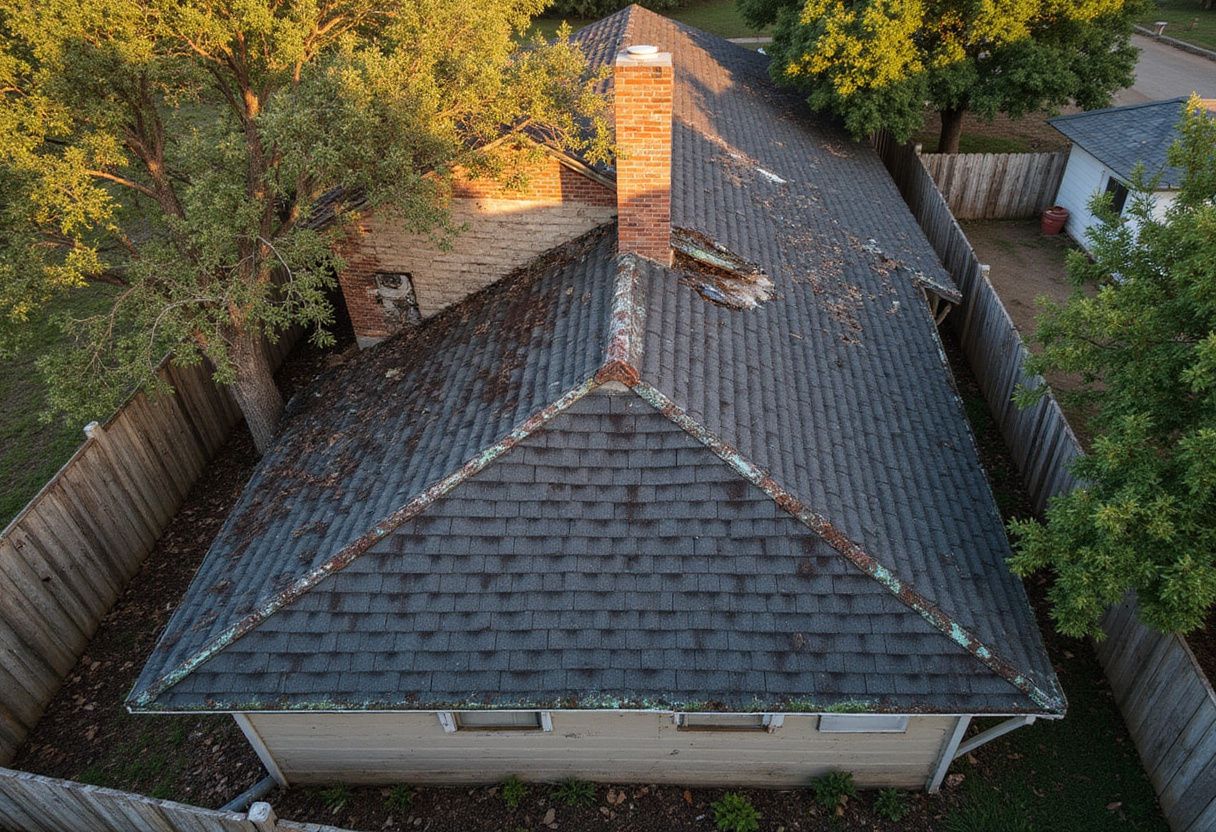
We highly recommend looking closely at your shingles this fall, as proper inspection and repair keep your roof in top shape. First, check for missing, damaged, or curling shingles, because even a few loose ones can lead to bigger leaks if ignored. These issues often show age and could mean it is time to consider a roof replacement. You should also examine your asphalt shingles for granule loss, which exposes the underlying material to the sun and rain and can shorten your roof’s lifespan.
Additionally, inspect the seams between shingles for gaps or cracks where water can slip through. A simple fix now prevents significant repairs later, so it is best to repair any broken or cracked shingles immediately. If it is time for an upgrade, replacing old materials with durable new options can greatly improve your home’s defense against the elements. Keep an eye on surrounding areas like chimney flashing and vents, and always consult Langford Roofing if you find anything concerning during your visual inspection. Our experts are always just a call away.
Checking the flashing and seals around roof openings is essential for keeping water out of your home. Start by inspecting all flashings at chimneys, vents, and skylights for any cracks or gaps. Old or cracked sealants may need replacement to stop water from seeping in. It is also important to monitor the caulking around roof edges and penetrations, as good caulk provides a tight seal against moisture. If it looks worn, it is time to reapply it.
Pay special attention to metal flashing materials, as they can corrode over time and lose their effectiveness. Replacing deteriorated flashings and ensuring they overlap properly at joints and seams prevents trouble down the line. Scheduling regular inspections allows us to assess these vulnerable areas before storms hit our region. Taking these preventative steps saves you from dealing with major headaches and costly water damage later on.
Cleaning and inspecting your gutters and downspouts is crucial, as blocked systems can lead to water damage or pests. If you are doing this yourself, always start with safety by wearing gloves and a mask to protect yourself from debris and mold. Use a scoop or your hands to remove leaves, twigs, and dirt, then flush the gutters with a hose to ensure proper flow. While doing this, check for leaks in the seams, rust spots, or gaps that may need sealing.
Next, inspect your downspouts for blockages, because a clogged downspout can cause water to back up into your home. Clear any obstructions at the base to make sure water drains safely away from your foundation. Look for cracks or signs of wear on gutter sections that might require replacement. If you notice heavy buildup or feel overwhelmed by the job, consider installing gutter guards to reduce future debris accumulation and make upkeep easier.
Chimney and vent care matters greatly when preparing your home for the changing seasons. Look for cracks or gaps in the chimney structure, as these issues can easily lead to leaks. You should also check the chimney cap for damage, because a broken cap allows water and debris inside. Inspecting the flue liner for signs of wear is another critical step in keeping your home safe and functioning properly.
Make sure your vents are clear of obstructions so they do not hinder proper airflow. It is important to examine the flashing around the chimney to ensure no water is seeping into the roof and causing mold growth. Finally, assess the ventilation pipes connected to your appliances. Taking these steps ensures your chimneys and vents will function well throughout the fall and winter months.
Mold and water damage can sneak up on you, so it is important to keep a close eye on both your roof and your interior ceilings. Spots on ceilings or walls might be early signs of a leak. If you see brown stains or peeling paint, it is time to act fast. Mold loves damp areas, making moisture checks an essential part of your fall routine.
Prevention starts with a watertight roof and a properly inspected attic space. These steps help stop moisture before it becomes a serious issue in your home. Inspecting your property regularly keeps mold at bay, protecting both your structure and your health. Catching the small signs now can save you from dealing with significant repairs in the future.
Overhanging tree branches can cause serious harm to your roof by scraping shingles and trapping unwanted moisture. Assess the distance between your roof and nearby tree limbs, aiming to maintain a safe clearance of at least three feet. Look for any branches that touch or hang closely above the roof, as this constant friction causes wear over time. You should also trim any dead limbs that could snap during a storm and send heavy debris crashing down onto your home.
Trimming back branches also helps sunlight reach your roof, which dries out moisture and keeps mold from growing. Regularly check trees near your property line, as trees on neighboring properties can also pose risks if they grow too close. If you decide to trim branches yourself, remember to wear proper safety gear. Otherwise, consulting with a local arborist can help you maintain healthy trees while protecting your roof from falling objects.
Preparing for storms takes more than just a last-minute check. It requires proactive steps before the winds pick up. Start by inspecting your roof surfaces for any loose shingles or damaged areas that strong winds could worsen. You should also secure any loose items in your yard, like patio furniture or decorations, so they do not become dangerous projectiles. Checking that all gutters are free from debris ensures rainwater is directed safely away from your home’s foundation.
Reinforcing vulnerable areas on the roof, especially around chimneys and vents, helps prevent leaks during heavy rains. Ensure all flashing is intact and sealed tightly to stop water intrusion. It is also wise to review your attic ventilation to avoid excess moisture buildup and trim back overhanging branches that could snap. Finally, having an emergency kit ready and knowing who to call for emergency roofing services gives you peace of mind when severe weather strikes.
Hiring local roofing experts in Holly Lake Ranch, TX, can make all the difference for your home’s protection. A local team knows the East Texas area well and understands exactly what roofs need to withstand our seasonal changes and storms. Relying on professional expertise helps you avoid expensive missteps and ensures your roof is repaired using the best materials and techniques.
Connecting with our skilled professionals is simple, and we always provide complimentary estimates and consultations. With over 20 years of experience, our family-owned business offers prompt storm damage repair and emergency roofing services. This makes finding dependable help quick and easy, giving you the high-quality, personalized service your home deserves.
As fall arrives, prioritizing your roof maintenance in Holly Lake Ranch, TX, is a must. Regular inspections and prompt repairs keep your home safe from unpredictable weather and heavy storms. Whether you are clearing debris or checking your flashing, a little effort now can save you a lot of trouble later on. Reach out to Langford Roofing today to take the right steps and protect your roof this season.
1727 Clearwood Dr, Longview, TX 75604
Mon - Sat: 7am - 8pm
Sun Closed
Call us for a free estimate
903-790-1964