Most homeowners never think about the thin strips of metal hidden under their roof shingles until a brown stain spreads across the living room ceiling. That’s usually the moment the question hits hard: what is roof flashing and why does something that small cause that much trouble?
If you’ve ever wondered what roof flashing is, you’re already ahead of many property owners. Understanding this simple piece of a roofing system can help you prevent leaks, mold, and costly repairs. It can also help you know when a roofing contractor is doing the job right or cutting corners where it hurts the most.
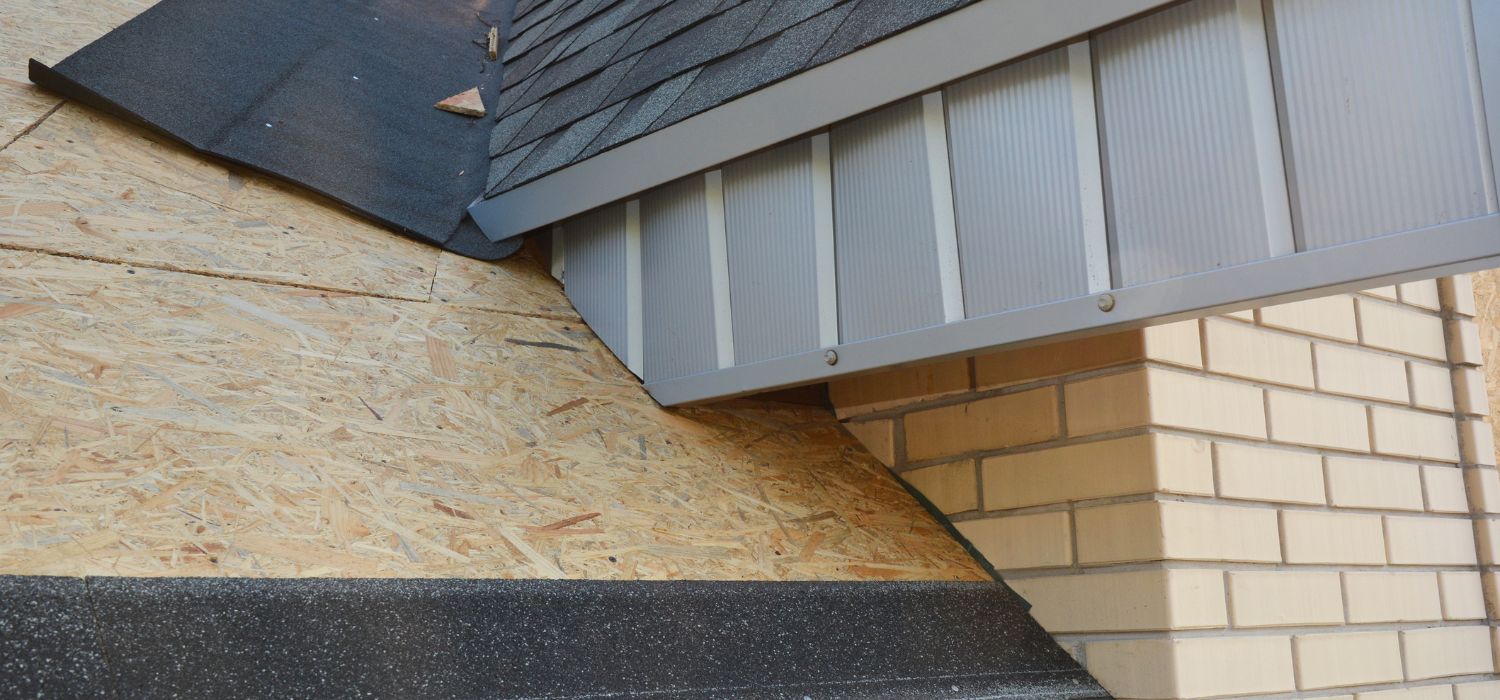
Roof flashing is a thin, most often metal, material that keeps water out of the weak spots on a roof. Think about every place your roof changes direction or connects to another structure. Those joints and seams are where water loves to sneak in.
Flashing is installed at those spots to collect water, direct it toward your shingles, and then send it to your gutters. Done right, it forms a continuous path for water to flow away from your home. Done wrong, it is the No. 1 reason a new roof still leaks.
Without these metal guards, water would run down the side of a chimney or wall and disappear under the shingles. Once beneath the protective layer, the water rots wood and soaks drywall. Essentially, this component is the primary line of defense for the most vulnerable areas of your home.
Most modern homes use metal flashing because it lasts and can handle harsh weather. Aluminum is also common on many houses, while copper and steel show up on higher-end or historic homes.
Each type has trade-offs in cost and lifespan. Your local climate and roof design also matter significantly. For instance, homes near the ocean may require copper or stainless steel to resist salt corrosion better than aluminum.
| Flashing Material | Typical Use | General Lifespan Range |
|---|---|---|
| Aluminum | Residential roofs with standard shingles | 20–35 years, depending on the weather |
| Galvanized steel | Roofs in cooler regions or on steep slopes | 25–40 years with good care |
| Copper | High-end homes, chimneys, and historic roofs | 50 years or more |
It’s important to note that mixing metals can cause issues. Placing copper flashing next to steel nails or aluminum gutters can trigger a reaction called galvanic corrosion. This chemical reaction causes the metal to eat away at itself and fail prematurely.
Beyond material, the shape matters immensely. Each piece is formed for a specific job. Your roofer must match the style to the problem they’re solving to maintain a watertight seal.
Here’s a quick look at the main types of roof flashing:
If any of these are missing or installed incorrectly, water will find the gap. It may take a year, or it may take a day during the next heavy storm. The result is always water damage where you least expect it.
Flashing is easy to overlook because it’s usually buried under shingles or siding. But it plays a bigger role in roof protection than most people guess at first. It acts as the heavy lifter for water diversion.
Many interior leaks don’t start where you see the stain on your ceiling. Water often slips in around a chimney, valley, or vent pipe. Then it runs along rafters until it finally drips into your living space.
Proper flashing gives that water a path out of the house before it can soak into the structure. It bridges gaps that shingles alone can’t cover, especially at sharp angles or tight corners. Without this bridge, shingles serve little purpose at the joints.
Once water gets past your roof covering, it does more than mark up the paint. It can rot wood framing, saturate insulation, and set the stage for mold inside your attic and walls. Wet insulation loses its ability to regulate temperature effectively.
Over time, wet framing can weaken. That leads to sagging, soft spots, and even structural issues if the damage spreads far enough. A few strips of flashing are much cheaper than repairing damaged trusses or wall framing.
Most shingles are rated for a certain lifespan, but water intrusion can cut that lifespan short. If flashing allows water under the shingle layer, nails loosen, and the shingle seal strips fail sooner. Moisture trapped beneath the decking causes it to rot.
A well-flashed roof helps your other roofing materials live up to their rated service life. That means you get more value out of your investment instead of paying for another roof years ahead of schedule.
Wet insulation can’t hold heat or cold air as it should. Once a roof leaks and soaks the insulation, your furnace or air conditioner has to work harder. The R-value of your attic insulation drops drastically when it’s damp.
Keeping the roof shell dry through solid flashing work helps your attic insulation stay dry and fluffy. That cuts drafts, keeps rooms more stable in temperature, and often lowers energy costs year-round.
Roof flashing often fails long before your shingles look worn out. That is why leaks on younger roofs are very often flashing problems, not full roof problems. The metal may rust, or the sealants used at the edges might crack.
Some flashing problems are hard to see from the ground. Regular roof inspections by a qualified roofing contractor can spot early trouble and save you from much larger repairs later. They can check specific areas, such as “kick-out” flashing, which is frequently missed by amateur installers.
There is no single answer, but you can think in ranges. Aluminum or steel flashing often aligns with the typical lifespan of an asphalt shingle roof, depending on climate and storm history. Generally, you can expect 20–30 years from standard aluminum products.
If the metal is high-quality and installed correctly, it can sometimes outlast the shingles by several years. The opposite is also true, though. Cheap materials and sloppy work can fail early and bring on leaks well before anyone expects them.
Severe wind, hail, and heavy snow will shorten flashing life as well. Heavy snow loads in valleys can warp the metal over time. After big storms, it’s smart to have a trusted roofer look closely at vulnerable spots such as valleys and around chimneys.
So by now, what roof flashing is shouldn’t feel like a mystery line from a roofing quote. It’s simply the network of metal pieces that protect your roof’s weak points and guide water away from your house. Without it, your shingles can’t do their job alone.
Good flashing prevents hidden leaks, protects framing and insulation, and helps your shingles perform to their full potential. Whether you own a single home, manage several rentals, or oversee a whole portfolio, understanding what roof flashing is and what it does gives you real leverage. You can ask smarter questions, spot early warning signs, and work with your roofing pro to keep every property dry, safe, and ready for the next storm.
1727 Clearwood Dr, Longview, TX 75604
Mon - Sat: 7am - 8pm
Sun Closed
Call us for a free estimate
903-790-1964